

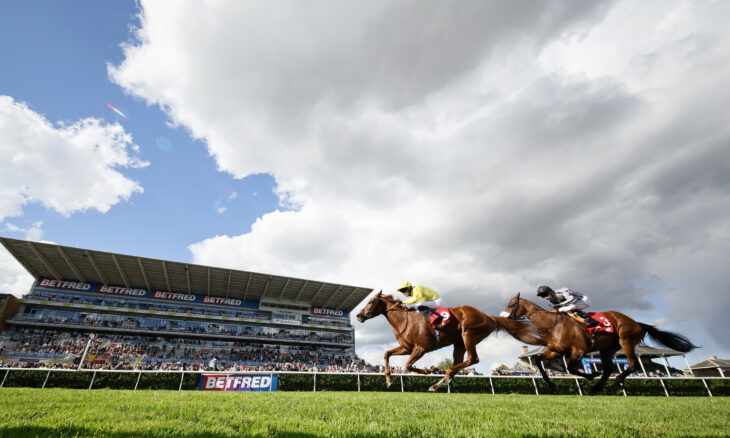
The Impact of British Horse Racing Being Not On
The world of sports betting is intricately tied to live events, and for British horse racing enthusiasts, the excitement that comes with watching races unfold is irreplaceable. Unfortunately, there are times when the races are not on, leading to a significant impact on fans and the industry alike. For those seeking an alternative, there are British horse racing not on GamStop horse racing sites not on GamStop that provide exciting wagering options outside traditional channels.
The Heart of British Culture
Horse racing is more than just a sport in Britain; it is woven into the fabric of British culture. Events like The Grand National and Royal Ascot draw crowds from all over the country and beyond. The pomp and ceremony associated with such races create a unique atmosphere that fans cherish. However, when these events are not scheduled, it creates a vacuum not only in the cultural sense but also economically, as local businesses thrive on the influx of racegoers.
Economic Impact
The economic implications of British horse racing being not on are profound. Many local businesses, such as hotels, restaurants, and shops, rely heavily on the influx of visitors during racing seasons. For example, it is estimated that the Grand National generates millions in economic activity in the surrounding areas. When races are canceled or not scheduled, these businesses suffer, leading to potential job losses and reduced income for local workers.
The Punters’ Perspective
For bettors, the absence of races can be disheartening. Enthusiasts who enjoy placing wagers on jockeys and horses must find alternative forms of entertainment. This can lead to frustration and a shift in focus to other sports or even non-sporting activities. Betting companies also see a decline in revenue during these periods, prompting them to seek new ways to attract customers through promotions or alternative betting options.
The Online Shift
With the traditional horse racing calendar disrupted, many fans are turning to online betting options. Notably, sites not participating in GamStop have gained popularity as they offer a wider array of betting opportunities beyond the standard racing events. This shift highlights a significant change in consumer behavior; without the immediate thrill of live races, bettors are increasingly looking for engaging alternatives online.
Alternative Horse Racing Events
While major British horse racing events may not always be available, alternative events continue to attract attention. International horse racing events such as the Melbourne Cup or the Dubai World Cup provide substantial betting opportunities and can engage the UK audience. Additionally, harness racing or amateur events can offer a suitable substitute, ensuring that fans stay connected to the equestrian world even when traditional racing is on pause.
Maintaining Interest in Horse Racing
To keep the spirit of horse racing alive, the industry must adapt and innovate. Utilizing virtual racing technology or highlighting lesser-known events can help maintain interest during downtimes. Offering educational content about horse racing, breeding, and training can also foster a deeper appreciation for the sport, ensuring that fans remain engaged even when live events are not happening.

Future Outlook
As the world continues to navigate through various challenges that may disrupt sports, the future of British horse racing will need to rely on flexibility and innovation. Understanding the sentiments of fans and bettors can inform strategies that keep the excitement of horse racing alive and engaging, regardless of whether the races are on or not.
Conclusion
In conclusion, the impact of British horse racing being not on reaches far beyond mere cancellations of events. It affects local economies, betting patterns, and overall engagement with the sport. While alternative options may mitigate some of these challenges, the industry’s longevity relies on its ability to adapt and evolve in a rapidly changing landscape. As technology and preferences shift, those involved in horse racin

g must embrace new avenues to keep their audience captivated and connected, ensuring that the tradition of British horse racing remains a cherished part of cultural heritage.
